
 EN
 Türkçe
 Русский
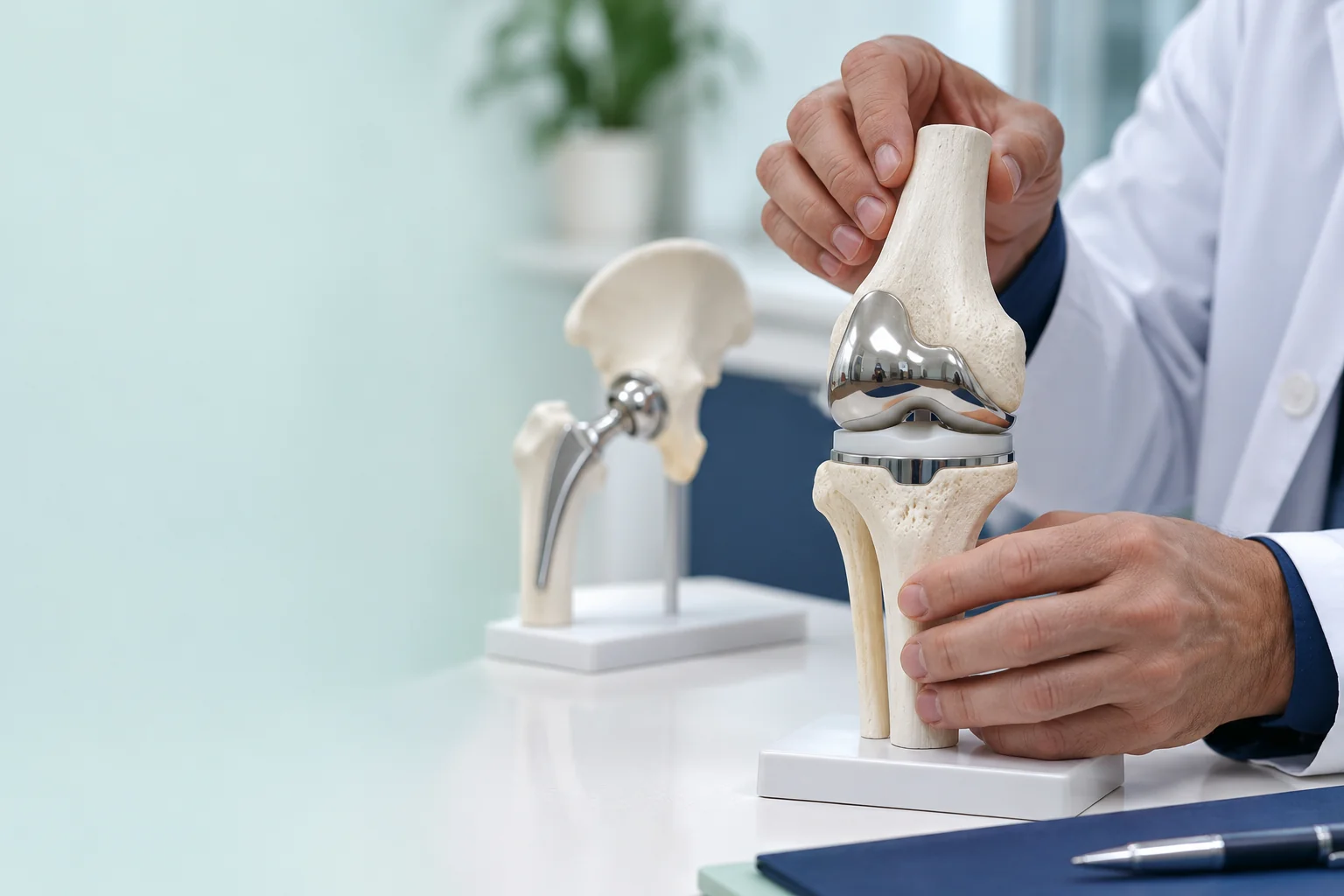
Unicompartmental knee replacement is an option when osteoarthritis affects only one limited part of the knee. It is also known as partial knee replacement. A specially designed implant replaces the damaged cartilage in that compartment while preserving the healthy cartilage elsewhere.

With appropriate patient selection, successful results comparable to total knee replacement can be achieved. If osteoarthritis develops in the remaining cartilage over time, conversion to a total knee replacement is possible.
What are the advantages of unicondylar knee prosthesis?
Preservation of the patient’s intact cartilage is the biggest advantage of unicondylar knee prostheses. In addition, postoperative recovery and rehabilitation occur faster due to reasons such as the surgery being performed with a smaller incision and the smaller prosthesis placed.
Who can have unicondylar knee replacement surgery?
Although unicondylar knee prosthesis application is advantageous in terms of preserving intact cartilage tissues, correct patient selection is of great importance in order to achieve successful results. In patients undergoing unicondylar knee prosthesis surgery, it is an absolute requirement that advanced arthrosis be limited to only one part of the knee. In addition, it is necessary to pay attention as much as possible to features such as the anterior cruciate ligament being intact, the patient not being overweight, and there being no significant deformity or excessive curvature in the knee.