
 EN
 Türkçe
 Русский
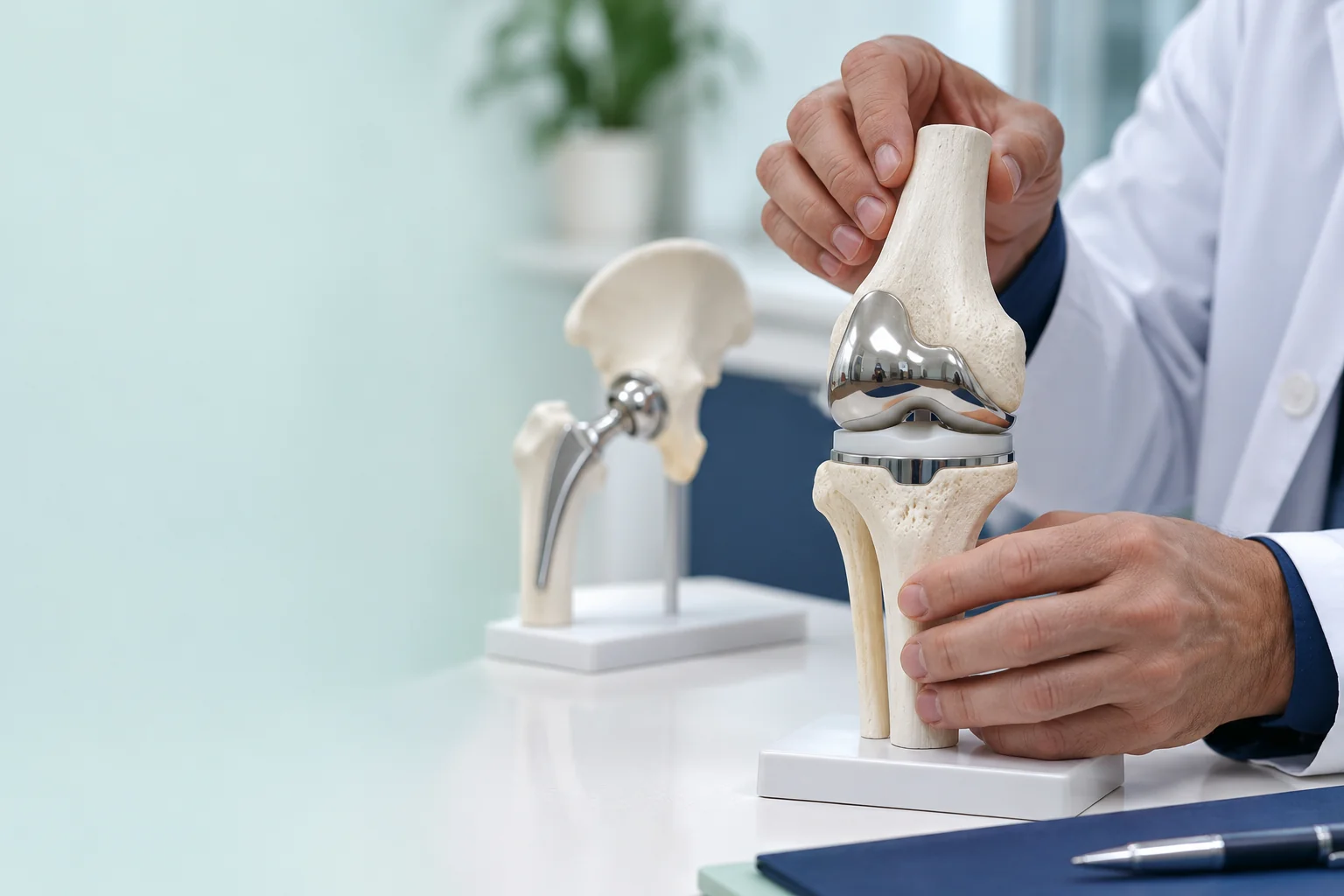
Hip prosthesis revision basically refers to the process of replacing the prosthesis. In some cases, although it is undesirable, it may be necessary to partially or completely replace the prosthesis previously placed on the hip.
In what cases is hip prosthesis revision necessary?
- Loosening of the prosthesis
- Infection in the prosthesis
- Wear on parts of the prosthesis
- Fracture development in prosthetic parts
- Some bone fractures around the prosthesis
How does the hip replacement revision process work?
The first step for hip prosthesis revision is to determine the need for revision. The most important criteria for this are the patient’s statements, examination findings, laboratory tests and findings obtained from imaging methods.
Depending on the reason for revision, treatment may require one operation or several. Additional implants or materials that are not usually needed during primary hip replacement may be required.
After some revision surgeries, the patient may need to use antibiotics for a long time. The recovery and rehabilitation process after the surgery may also take relatively longer than the first surgery.
What are the conditions to be considered after hip prosthesis revision?
- Regular and hygienic wound care should be performed.
- Conditions that can lead to infection of the joint prosthesis, such as a dental abscess or urinary tract infection, should be treated promptly.
- Follow the doctor’s instructions on weight-bearing through the operated leg, the exercise programme and restoring the joint’s range of motion.
- Recommended movement restrictions should be followed in the early period.
- The medications prescribed by the surgeon should be used completely and for the recommended periods.